

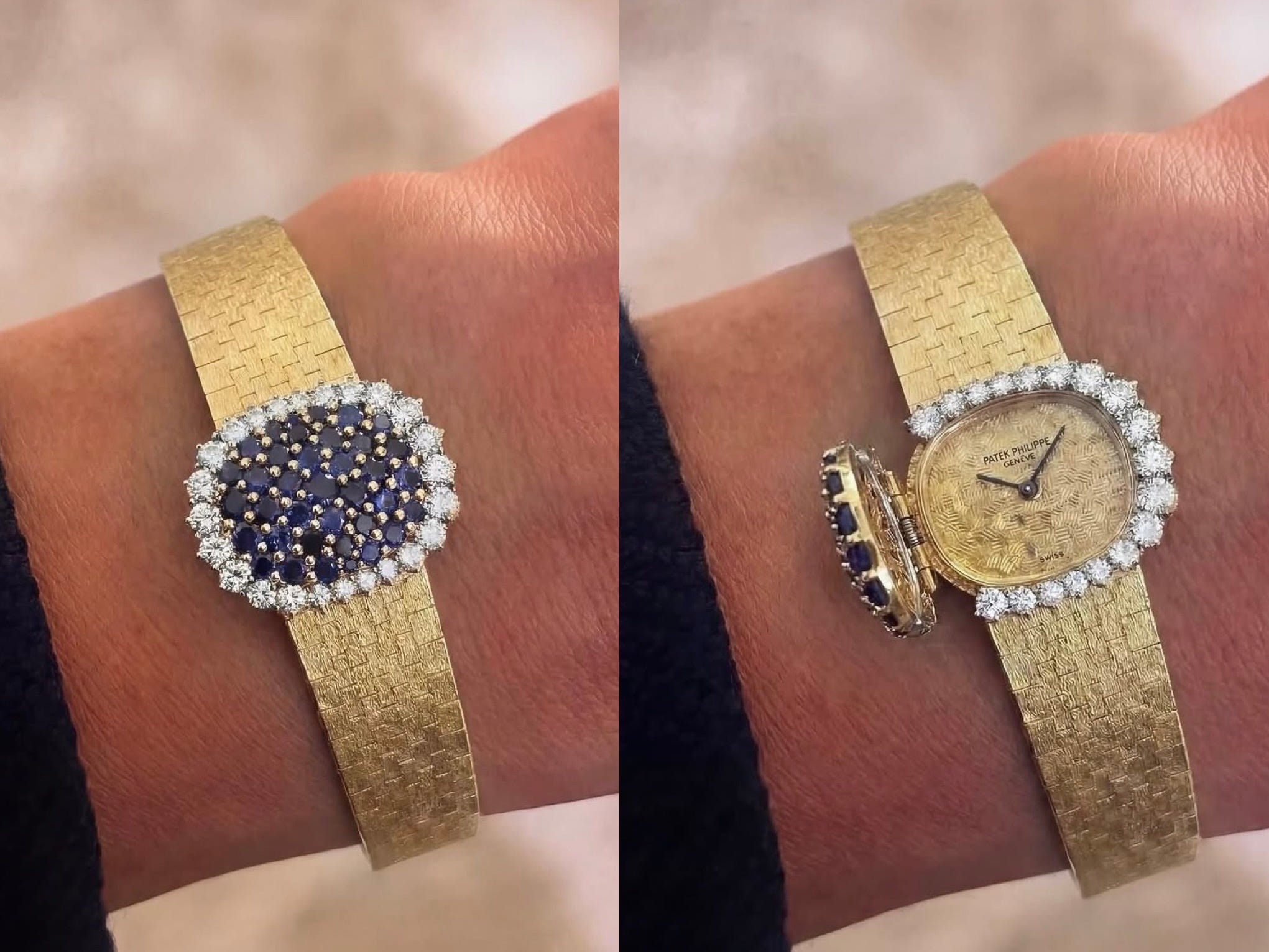
There is something interesting happening in the way we think about objects. We seem increasingly drawn to things that already have a history: the watch from a decade we never experienced, the painting that has survived long enough to become part of a larger story. Even objects designed for ordinary use, such as a vintage chair, can acquire an almost extraordinary appeal once they are old enough to belong to another time.
Collecting has always existed, of course. What interests me is how desirable the identity of the collector has become, and how widely the idea now extends beyond traditional art collections. Today, people collect furniture, books, watches, photographs, fashion and all sorts of objects that sit somewhere between design and everyday life.
To collect is to demonstrate that you have looked closely enough to recognise something worth keeping, and perhaps that you understand something about it that isn’t immediately obvious to everyone else.
But this raises a question I keep coming back to: were these objects always special, or have we learned to see them that way?
The appeal of things that have already lived
I have always found it fascinating how certain objects seem to become more desirable with age. A piece of furniture from the seventies can feel more interesting than something designed last year. An old movie carries an atmosphere that a contemporary one might struggle to recreate. A vintage handbag can have a certain character that is difficult to reproduce, even when a newer version costs considerably more.
Part of this appeal comes from the fact that these objects belong to a different cultural moment. They were created within a particular set of aesthetic preferences, technological possibilities and social conventions. Today, we can look at them with the benefit of distance, recognising details that might have gone unnoticed when they were first introduced.
A chair that was once simply a contemporary piece of furniture can become an example of an important moment in design history. A watch can become a reference point for an entire generation of watchmaking. An advertising poster can eventually find its place in a collection of graphic design.
The object itself may not have changed very much. What has changed is the context through which we understand it.
There is also something romantic about owning an object that has outlived its original moment. It has passed through time, perhaps through the hands of different owners, and somehow remained relevant enough to be wanted again. Its marks, materials and imperfections can become part of its appeal. What might once have been considered wear can now be read as character.
Of course, age alone does not make something beautiful. There are countless old objects that nobody particularly wants. The ones we celebrate today are often those that have survived because they possessed qualities worth preserving, or because a later generation found new meaning in them.
Perhaps we are looking at the past through a rather selective lens.
Were things always cooler back then?
It is tempting to believe that everything used to be better. Interiors seemed more considered, furniture more substantial, photographs more atmospheric and personal style more individual. There is a certain aesthetic nostalgia that has become particularly visible in the way we consume images of the past.
But I wonder how much of this reflects the reality of those periods.
Consider the Memphis Group, the Italian design collective that emerged in the early eighties, led by Ettore Sottsass. Its colourful laminates, unusual geometric forms and deliberately unconventional furniture challenged established ideas of good taste. The designs were influential, but also polarising. What some people considered exciting and innovative, others found excessive or impractical.
Today, Memphis is an established reference in design history. Its pieces are exhibited, collected and recognised for their cultural significance.
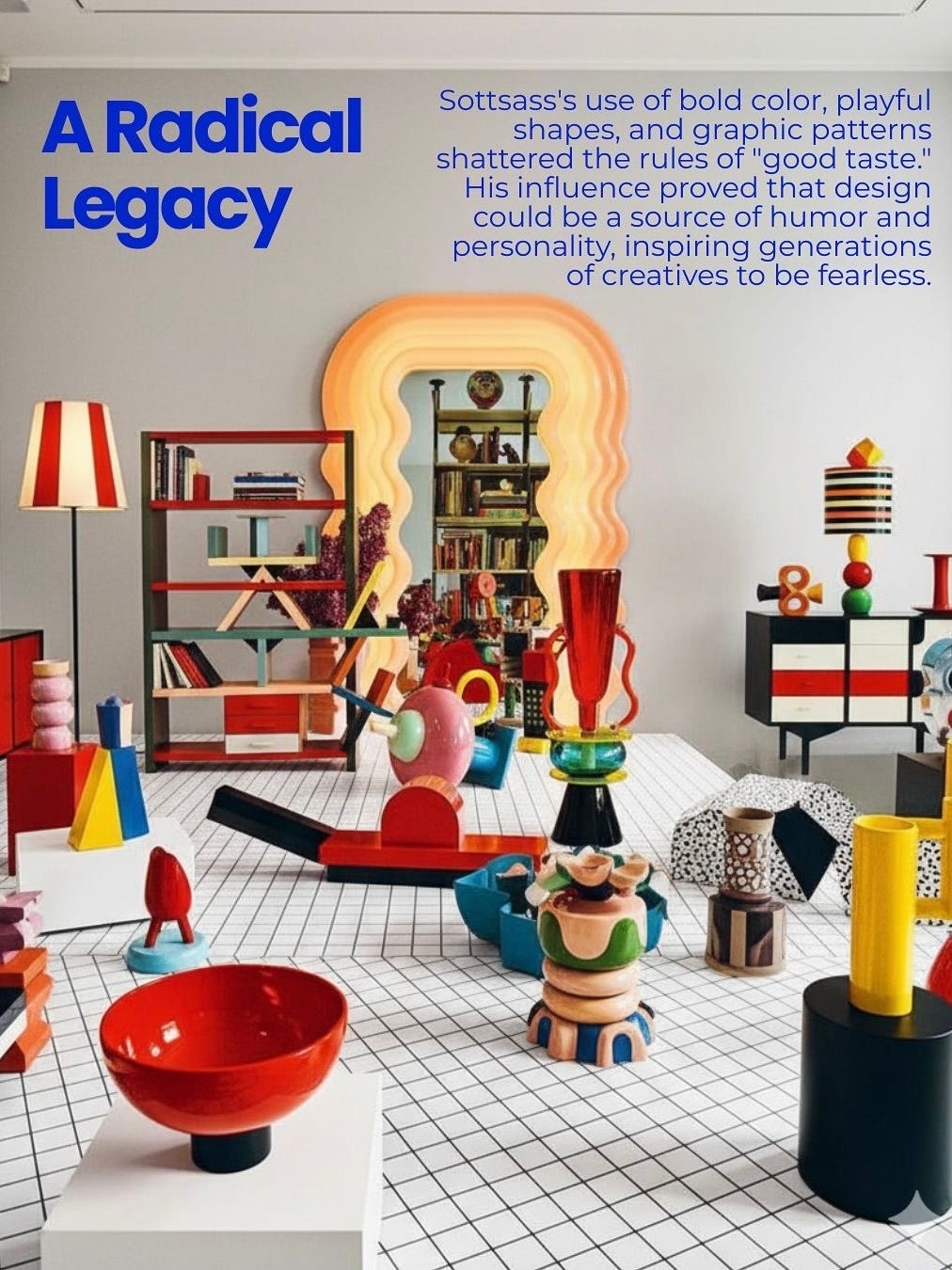
The interesting part is that the qualities that made these objects divisive in their own time are often precisely what makes them desirable today. Our standards of taste change, and with them the way we interpret the things around us.
Some objects were considered extraordinary from the beginning. Others needed time, distance and a different cultural perspective before their significance became clear.
There is also a selection effect at work. We tend to encounter the objects from previous decades that have survived, been preserved or eventually been recognised as important. We rarely see the thousands of ordinary things that disappeared along the way. The past we admire is therefore not necessarily a complete picture of how people lived or what they valued. It is a version of history that has already been edited by time.
Perhaps the past is not inherently more beautiful. We are simply looking at it from a different perspective.
When an object becomes a story
One of the things that makes collecting so interesting is that the value of an object can extend far beyond its material qualities.
This is where provenance, context and knowledge become important. Knowing who owned something before you, where it came from or how it was made can fundamentally change your relationship with it. The object becomes connected to a story that existed long before it entered your life.
I think this is part of the appeal of collecting. You are acquiring something tangible, but you are also engaging with the ideas, people and circumstances that made it what it is.
A systematic review on consumer collecting, published in the International Journal of Consumer Studies 2021, identified six recurring motivations: personal achievement, social membership, cooperation and competition, personal and collective memory, legacy and financial value. Collecting is therefore about much more than acquiring desirable things. It can provide a sense of identity, community and continuity.
Perhaps this is why objects with a past can feel so different from things produced for immediate consumption. They carry a sense of continuity.

The internet has changed what it means to be a collector
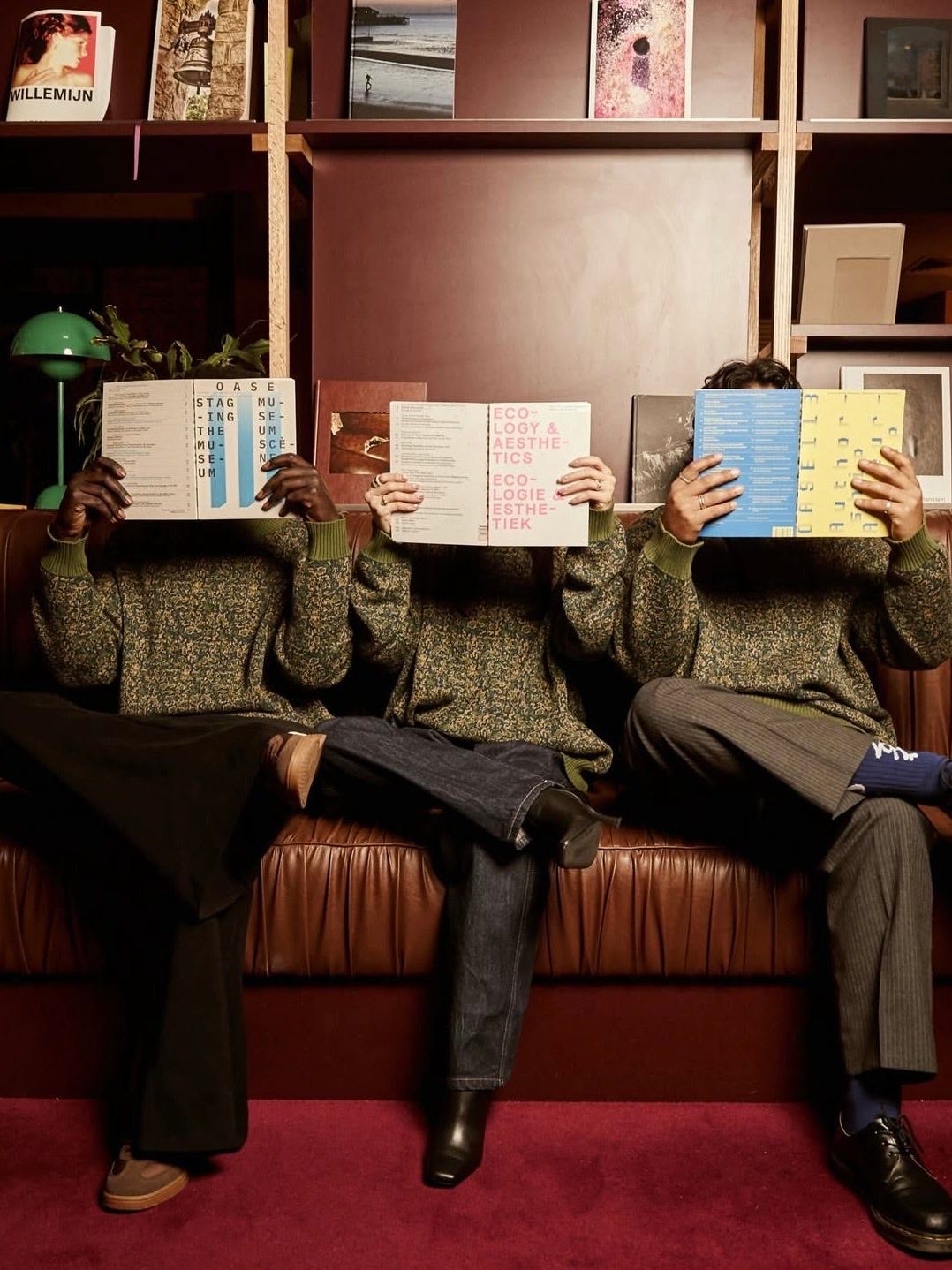
Historically, becoming knowledgeable about a particular category of objects could require years of visiting dealers, building relationships, reading specialist publications and learning from other collectors.
That knowledge is still valuable, but the internet has radically expanded access to information and communities. The Survey of Global Collecting 2023 describes how online resources and specialist communities allow collectors to research objects, compare prices, learn about provenance and share expertise across geographical boundaries.
This creates an interesting tension. It is easier than ever to discover an emerging designer, identify a vintage lamp or learn about an artist. Yet the ability to identify something desirable is not necessarily the same as understanding it.
I explored a similar idea in my previous article, The New Status Symbol Is Knowing. Collecting is perhaps one of the ways this knowledge becomes tangible: it turns what we know and appreciate into something we choose to keep. We have more access to cultural references than ever, but access and discernment remain two different things.
Collecting brings possession, access and knowledge together, while offering a way to express a personal point of view.
A collection can be a form of self-portrait. The objects we choose reveal what we notice, what we value, which histories interest us and what kind of world we want to inhabit. Two people could have access to exactly the same galleries, dealers and auction houses, yet build entirely different collections.
Scarcity changes our perception
When an object is widely available, it can feel ordinary. When it disappears from production, finding it becomes an entirely different experience.
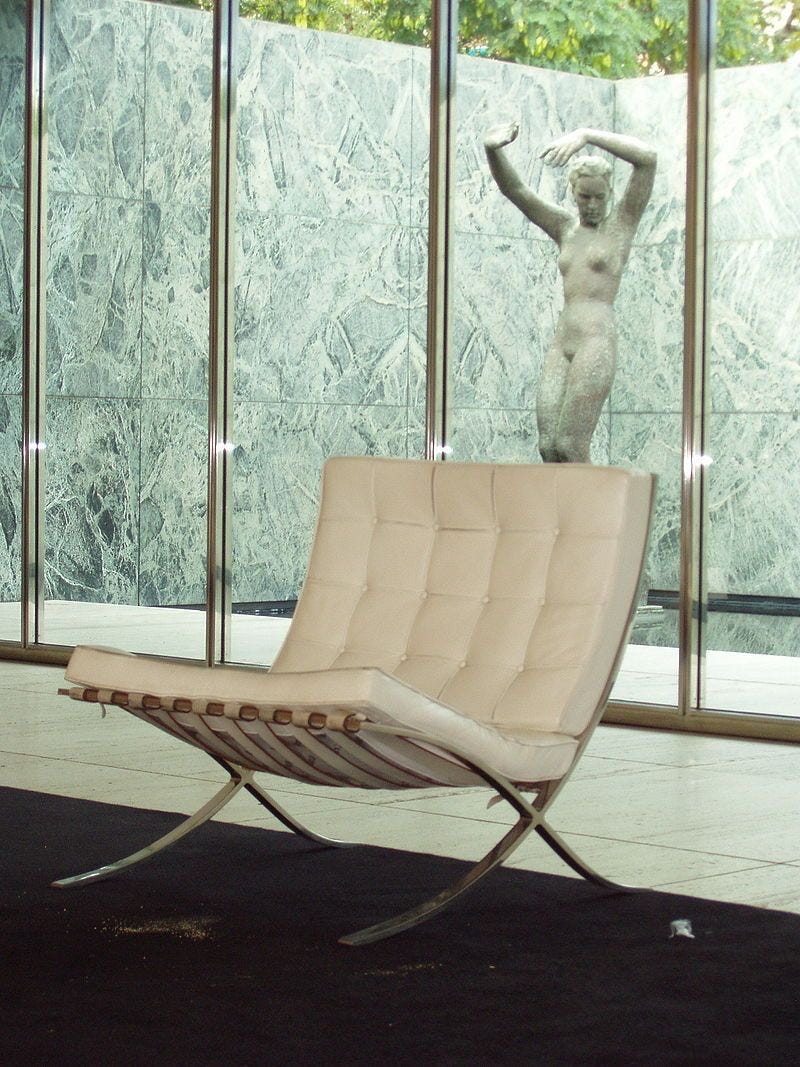
You cannot simply walk into any shop and buy the exact same chair that was produced in 1968. You have to find one that has survived, in the right condition, sometimes through a specialist dealer or a private collection. The search becomes part of the object’s appeal.
As collecting becomes increasingly visible, it can also become another way of signalling taste. The particular artist, designer, watch or vintage object you own can communicate a certain level of cultural awareness. Eventually, the desire to be distinctive can lead everyone towards the same things.
It is a curious contradiction: in trying to express our individuality, we can end up acquiring remarkably similar versions of it.
What is worth keeping?
Perhaps what interests me most about collecting is that it introduces a different relationship with time.
We live in a culture that constantly encourages us to discover something new, replace what we already own and move on to the next thing. Collecting suggests a different impulse: the desire to keep something, to learn about it and to allow its meaning to develop over time.
I like the idea that a collection is never entirely finished. There is always another artist to discover, another object to understand, another piece of history that changes the way you look at something you already own.
Because perhaps the most interesting thing about an object is not simply what it is worth today, but what it has meant, what it has survived and what someone else might see in it tomorrow.
Thanks for reading ! Subscribe to my newsletter for more and follow along on Instagram 💋