

For a long time, luxury has been largely about possession: having something that other people could recognise as valuable.
Then access became part of the equation. Getting into the right room, being invited somewhere that was difficult to enter, having the reservation that everyone else was trying to get.
Today, access itself has become increasingly democratised. We can find almost anything online, book almost any restaurant and learn about almost any subject with a few taps on a screen.
So I wonder if the more interesting form of status now has very little to do with what you have access to.
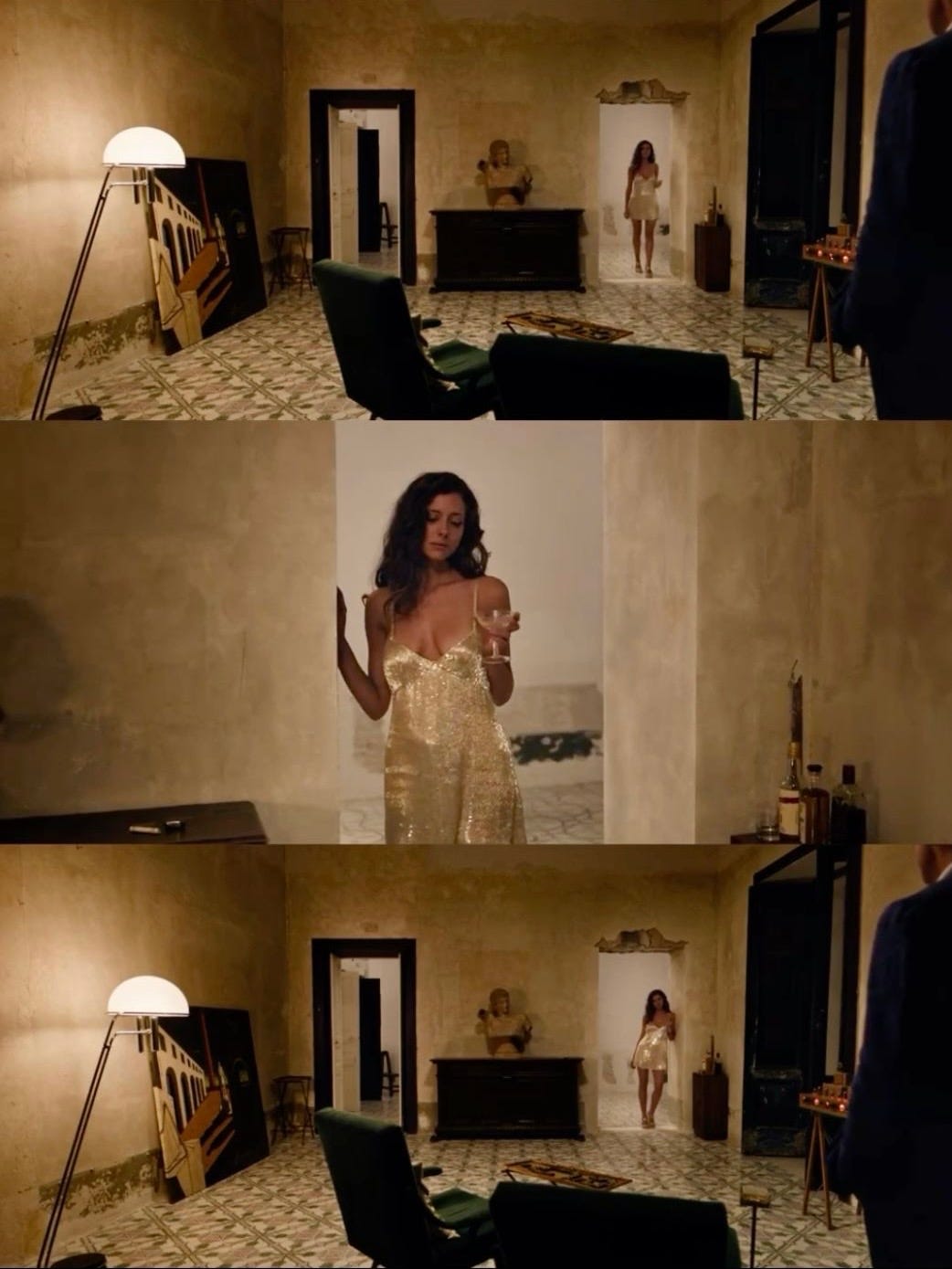
When access becomes easy
We live in an extraordinary age of cultural abundance. You can discover a young artist on the other side of the world from your bedroom, find the name of a chair you saw in a hotel lobby, research the architect who designed it and read about a hotel before ever stepping inside it.
There is very little information we cannot access. The difficulty is knowing which of it matters. This is where personal taste becomes interesting.
When information is scarce, knowing something is valuable simply because you know it.
When information is everywhere, knowledge becomes more valuable when it comes with judgment.
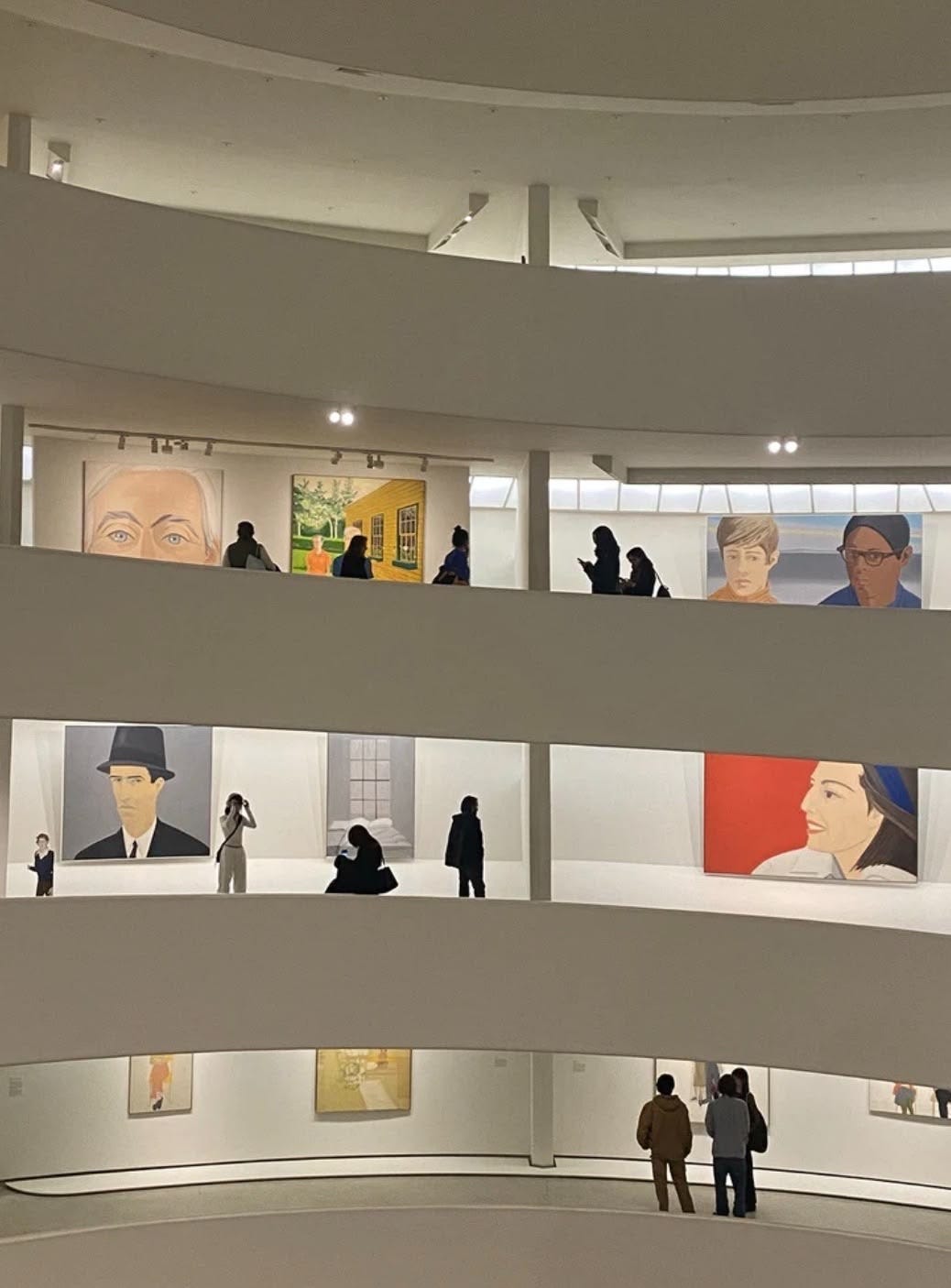
Excellent vs. Pricey
There is also a difference between recognising something as expensive and recognising something as genuinely excellent.
We have become very good at reading the signals of price. We know what a certain material costs, which neighbourhoods carry a premium and which brands command a certain level of attention.
But price can tell us what something is worth in a market; it doesn’t necessarily tell us what it is worth to experience.
Perhaps this is one of the reasons knowledge matters so much in luxury. Once you have developed enough context to compare, you start seeing past the obvious signals of expense. You can appreciate why one object is extraordinary even when it isn’t the most expensive one in the room, or why a hotel can feel profoundly luxurious without announcing its price point.
Genuine excellence is often much quieter. It can be found in the proportions of a room, the quality of a material, the precision of a service or the thought behind something that most people would never consciously notice.
It is the kind of quality that becomes more apparent the longer you spend with something.

The quiet power of “influencers”
I have always found it interesting how much more valuable a recommendation becomes when it comes from someone whose way of living you trust.
The recommendation feels valuable because it has already been filtered through someone’s experience.
This is becoming increasingly important in a world where we are overwhelmed by choice.
The internet can give you a hundred options. A person with good taste can give you one.
This is precisely why, even from a business perspective, it is increasingly important to leverage not only attractive ambassadors, but knowledgeable and interesting personalities as a whole. Many times, that is worth way more.
The problem with knowing what everyone knows
Of course, knowledge can become another form of performance.
There is a certain type of cultural fluency that exists primarily to be displayed. Knowing the underground artist, the members’ club, the difficult-to-book restaurant, the designer whose name most people cannot pronounce. It can become a game of proving that you were there first.
The point of developing taste is eventually to become less dependent on whether something is considered important at all. You might discover a famous artist and understand immediately why their work matters to you. You might walk past the most talked-about exhibition of the season and feel very little. You might find an extraordinary object in a small shop that almost nobody has heard of.
The value is in being able to recognise the difference for yourself.
We scroll through beautiful things all day, often giving each of them less than a second before moving on to the next. We are constantly exposed to more references than any previous generation could have encountered in a lifetime.
The most interesting person in the room may not be the person who has the most impressive collection, the most exclusive address or the most enviable calendar. It might simply be the person who knows something deeply, has a reason for caring about it and is curious enough to keep discovering.

What is actually worth knowing?
Perhaps the most valuable part is knowing that you will never know everything.
Personal taste and preferences remain interesting precisely because they are unfinished. There is always another city to walk through, another artist to discover, another book to read, another room to enter.
In the end, I think the most compelling kind of cultural capital is curiosity.
To know enough to recognise what is good, enough to question what everyone else considers good and enough to remain interested in what you haven’t encountered yet.
Because when almost everything is accessible, perhaps the real luxury is having the discernment to know what is worth your attention.
Thanks for reading ! Subscribe to my newsletter for more and follow along on Instagram 💋
I think this is exactly where knowing and seeing start to separate. Access can give everyone the same references, but not the same hierarchy of attention. The interesting part is no longer simply recognising the thing, but knowing why it deserves more of your attention than the hundred other things you also recognise.