

One of the most fascinating things about art is that it exists in two worlds at once. It carries a whimsical, emotional identity, yet it is also one of the most portable and enduring forms of capital ever created. A painting can hang on a wall for decades, quietly accumulating cultural value, and one day be converted back into money, status, or access.
Some of the most iconic art collections have been built by places that understood one simple truth: art can function as currency inside the right social ecosystem.
During the Second World War, a small hotel in the south of France, La Colombe d’Or, became a refuge for artists including Braque, Picasso, Chagall and Renoir. Many of them effectively took up residence there. The owners, Paul Roux and his wife, were not art experts. They were simply generous hosts who became friends with the artists and began accepting paintings, in exchange for meals and rooms.
A handwritten sign was hung on the door:
“Ici on loge à cheval, à pied ou en peinture.”
Here may stay those on horseback, on foot, or with a painting.
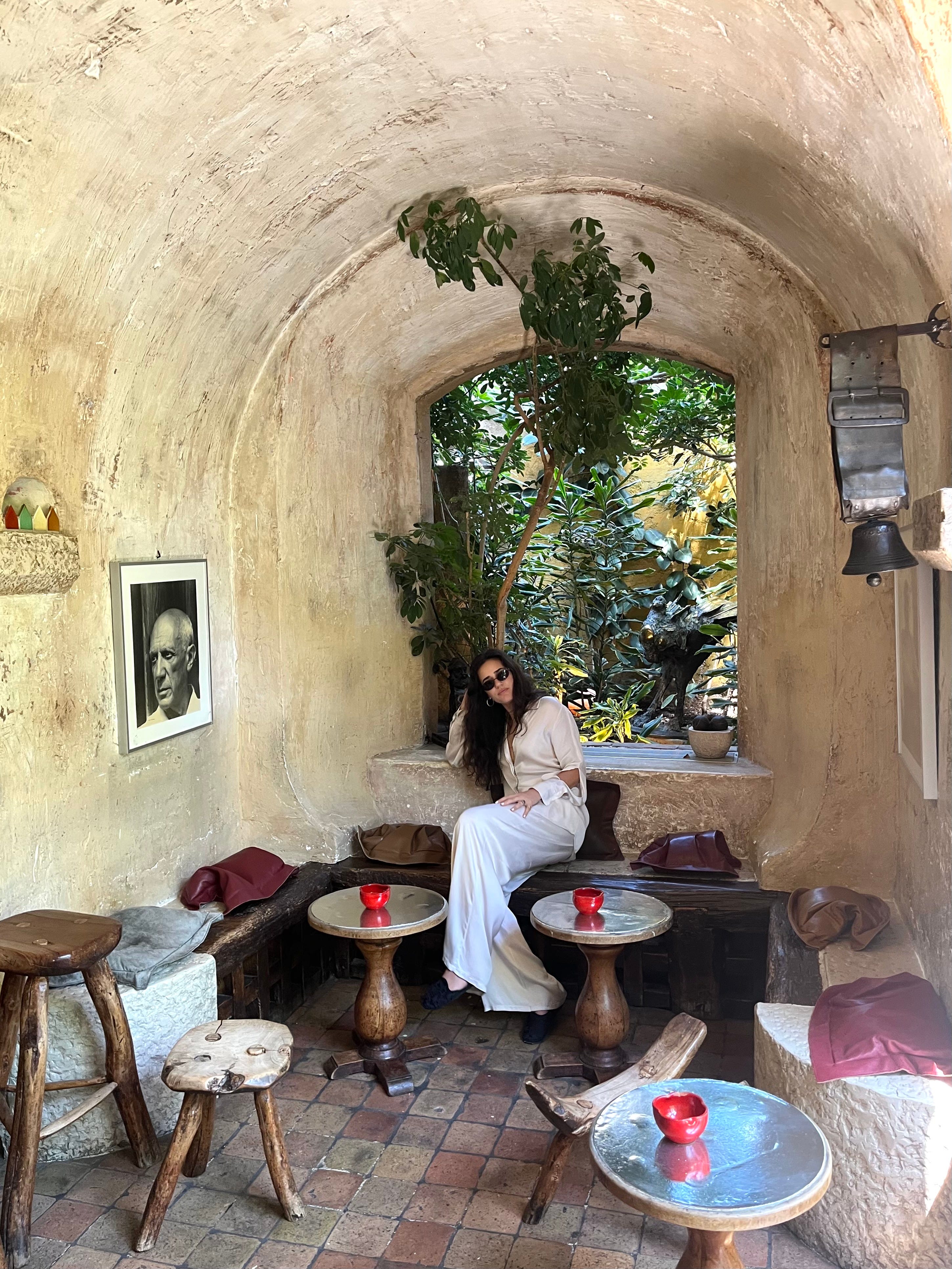
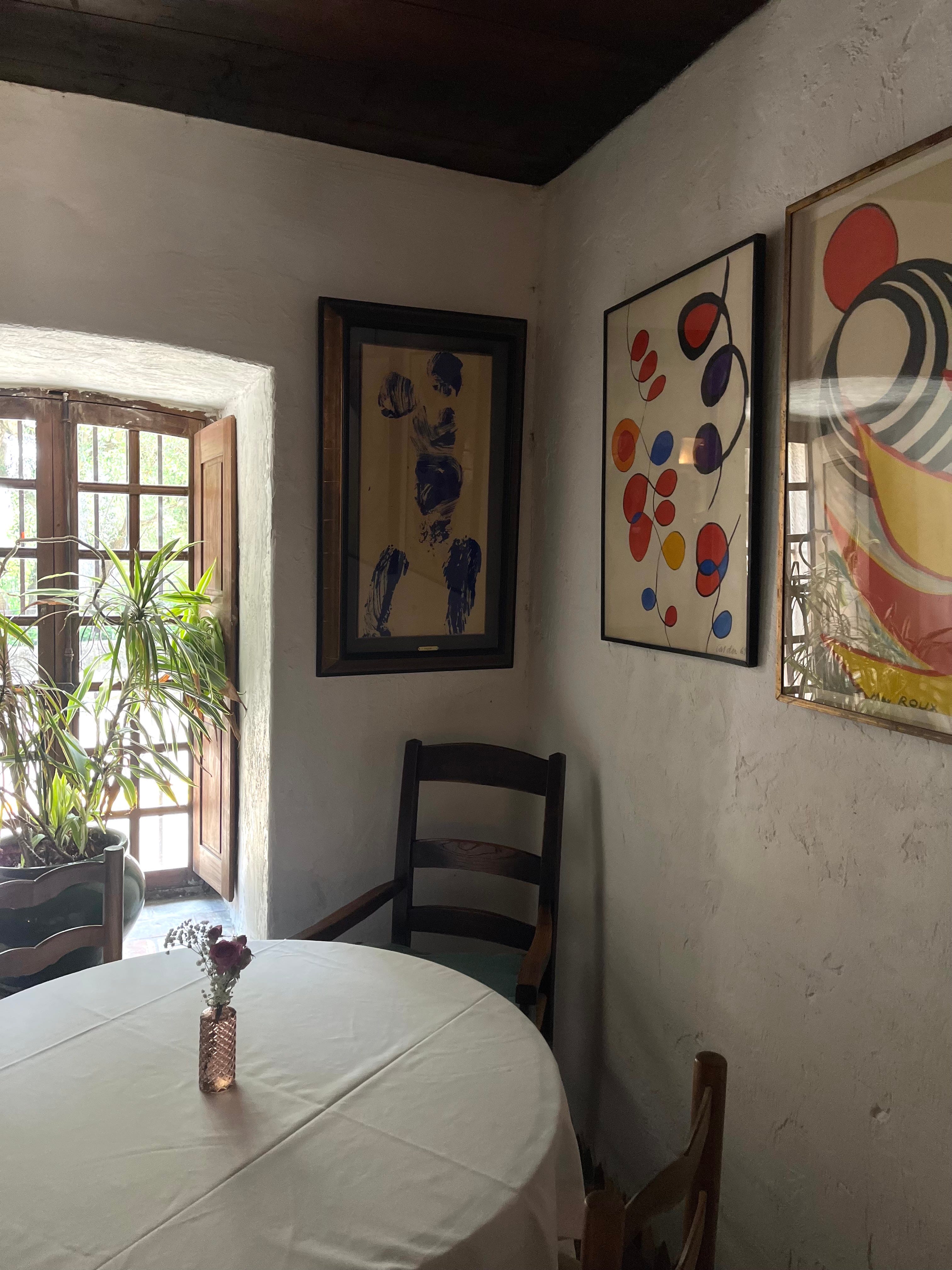
What began as a practical solution slowly became the defining soul of the hotel and the source of a collection worth millions. Suddenly, art had quietly become the most elegant form of payment.
Seventy years later, the same logic would reappear not in a bohemian auberge, but inside a global luxury members’ club.
Since 2009, Soho House has built an art collection of more than 10,000 works, including record breaking artists such as Damien Hirst, Rashid Johnson and Tracey Emin. But almost none of these works were bought in the traditional sense. Instead, they were acquired through a barter program: if an artwork was worth £6,000, Soho House would offer a £3,450 global membership and credit the rest.
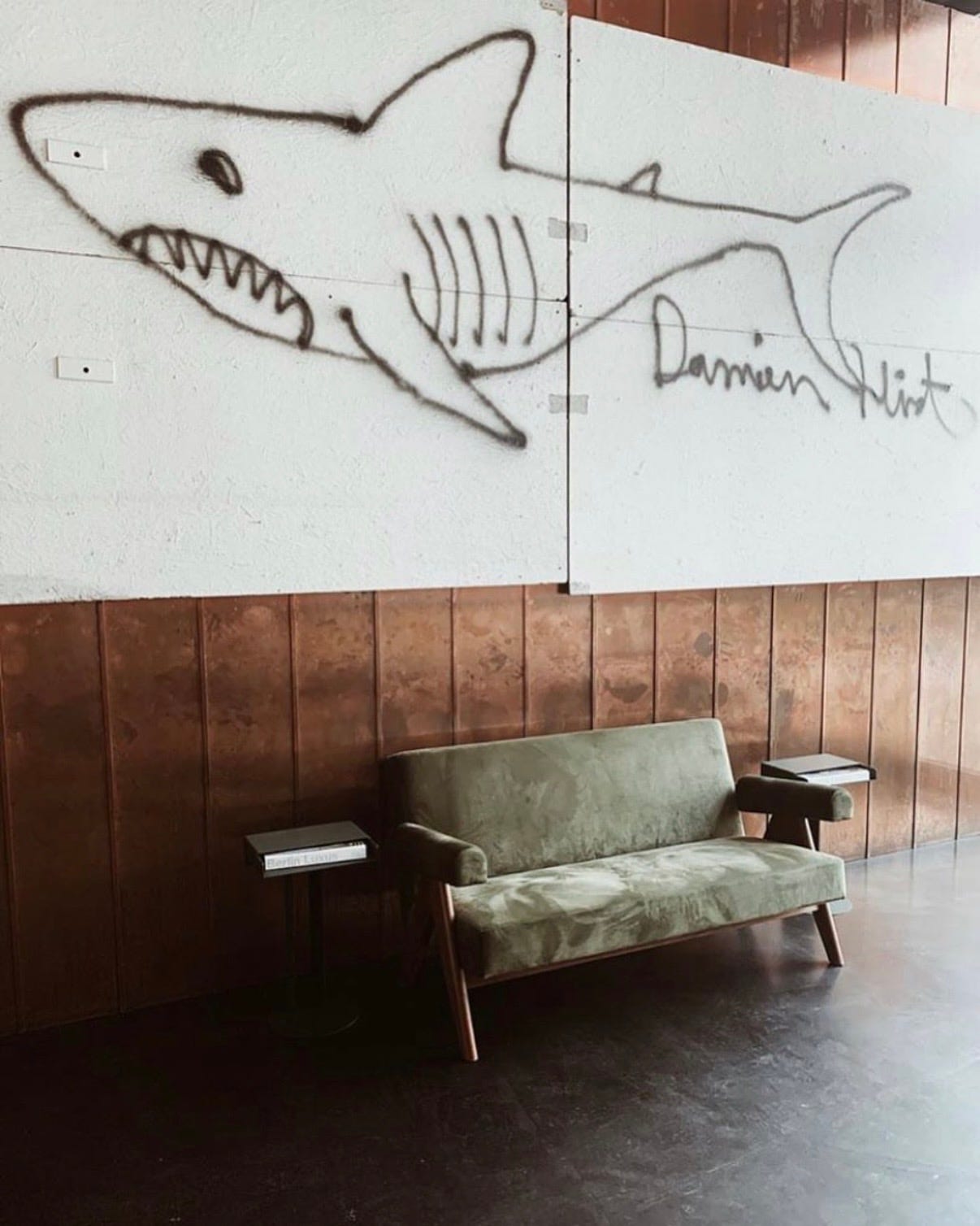
For many artists, Soho House has been a key point in their early careers. It gave them visibility, introductions and proximity. Careers were shaped not only by exposure, but by where and with whom that exposure happened. Yet the uncomfortable truth is: Soho House didn’t simply act as a patron, it financialized its own cultural credibility.
Just as at La Colombe d’Or, art at Soho House served as a means of building community. But there is a crucial difference. At Colombe d’Or, art paid for survival. At Soho House, art paid for access.
Many other iconic hotels adopted this informal currency exchange over the years, rooms were quietly comping rooms for artists, directors, photographers, and writers because their presence itself carried value.
Art is the one asset that carries both cultural legitimacy and financial optionality. It makes a space feel soulful and gives it something it can liquidate when the story runs thin.