

The older I get, the less impressed I am by things that are designed to impress me.
This sounds, at first, like snobbery, but what I mean is that being difficult to impress is not about being difficult to please. It is about becoming more capable of noticing the difference between what is genuinely exceptional and what has simply been made to look that way.
We live in a world that is very good at telling us what deserves our attention.
The restaurant everyone is posting.
The hotel everyone wants to stay at.
The bag everyone suddenly owns.
The exhibition everyone says you must see.
The destination that appears on every “where to go next” list.
We are surrounded by things engineered to produce the same reaction: Wow.
And perhaps the strangest thing is how quickly we have learned to have that reaction on command.
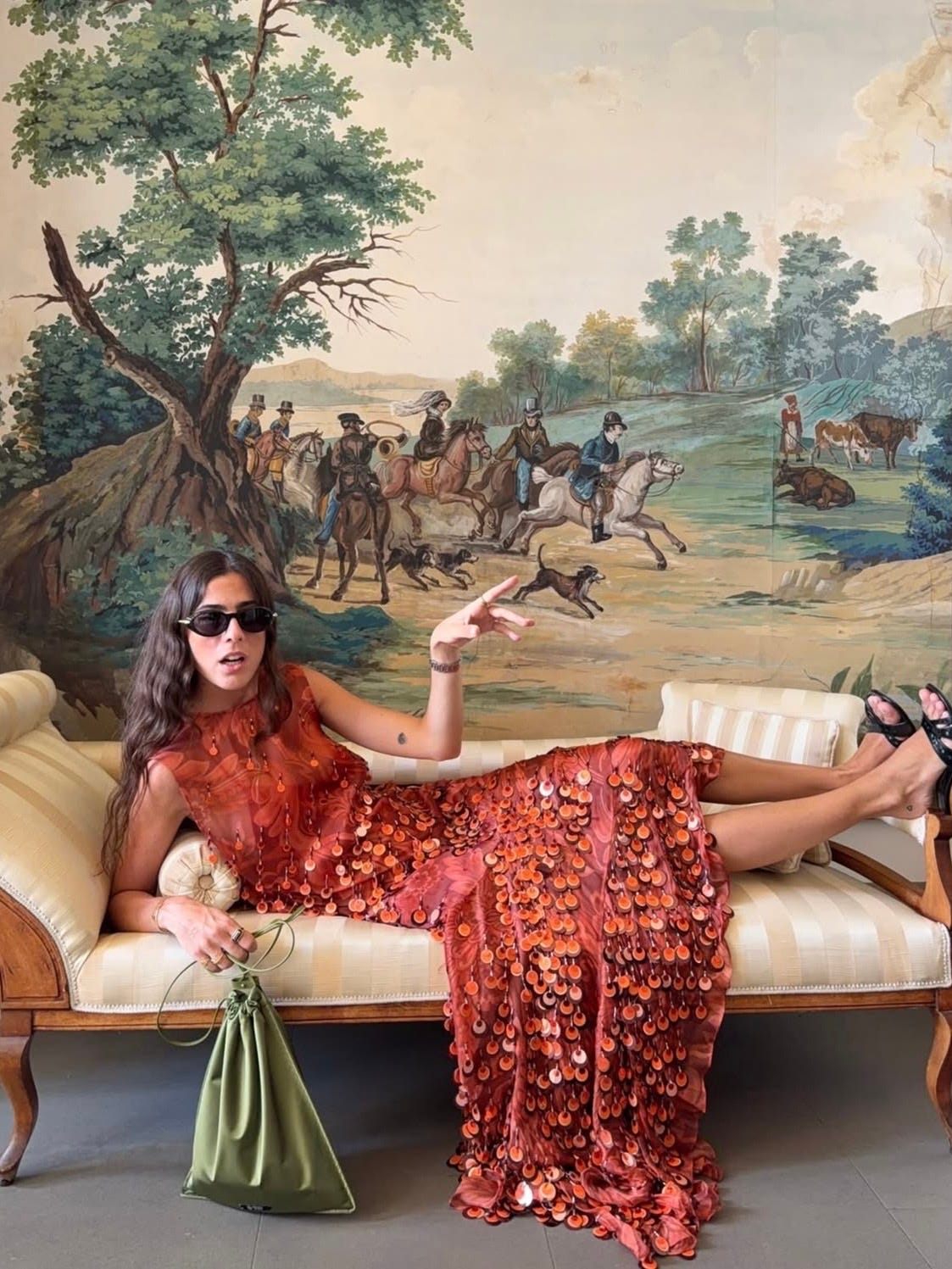
The problem with having everything curated for you
Personal taste used to require time.
You had to look at a lot of art before you knew what you liked. You had to eat at a lot of restaurants before you understood what made one exceptional. You had to travel, read, listen, observe.
You developed preferences slowly, almost accidentally. Now, the algorithm can do much of that work for us.
It knows which chair you will like before you know the chair exists. It knows which hotel you will save. It knows which gallery you might walk into. It knows which aesthetic will make you stop scrolling.
This is incredibly convenient, yet superficial, because there is a difference between being exposed to taste and developing taste.
The first is passive. The second requires judgment, which can be uncomfortable because it means sometimes saying:
I don’t like this.
Even when everyone else does.
To say that something is mediocre can feel unnecessarily harsh. To question something that everyone else considers beautiful can make you seem pretentious or performative. So we flatten our opinions.
Everything is “beautiful.”
Everything is “iconic.”
Everything is “incredible.”
Every new opening is “a must.”
But if everything is exceptional, nothing is.
Discernment isn’t about believing that you are better than other people because you know more. It is about understanding why something moves you.
Why one room feels timeless while another feels merely expensive.
Why one artwork stays in your mind for weeks while another disappears the moment you leave the gallery.
Why one hotel makes you want to return ten years later, while another gives you beautiful photographs and very little else.
The more you know, the more specific your admiration becomes.
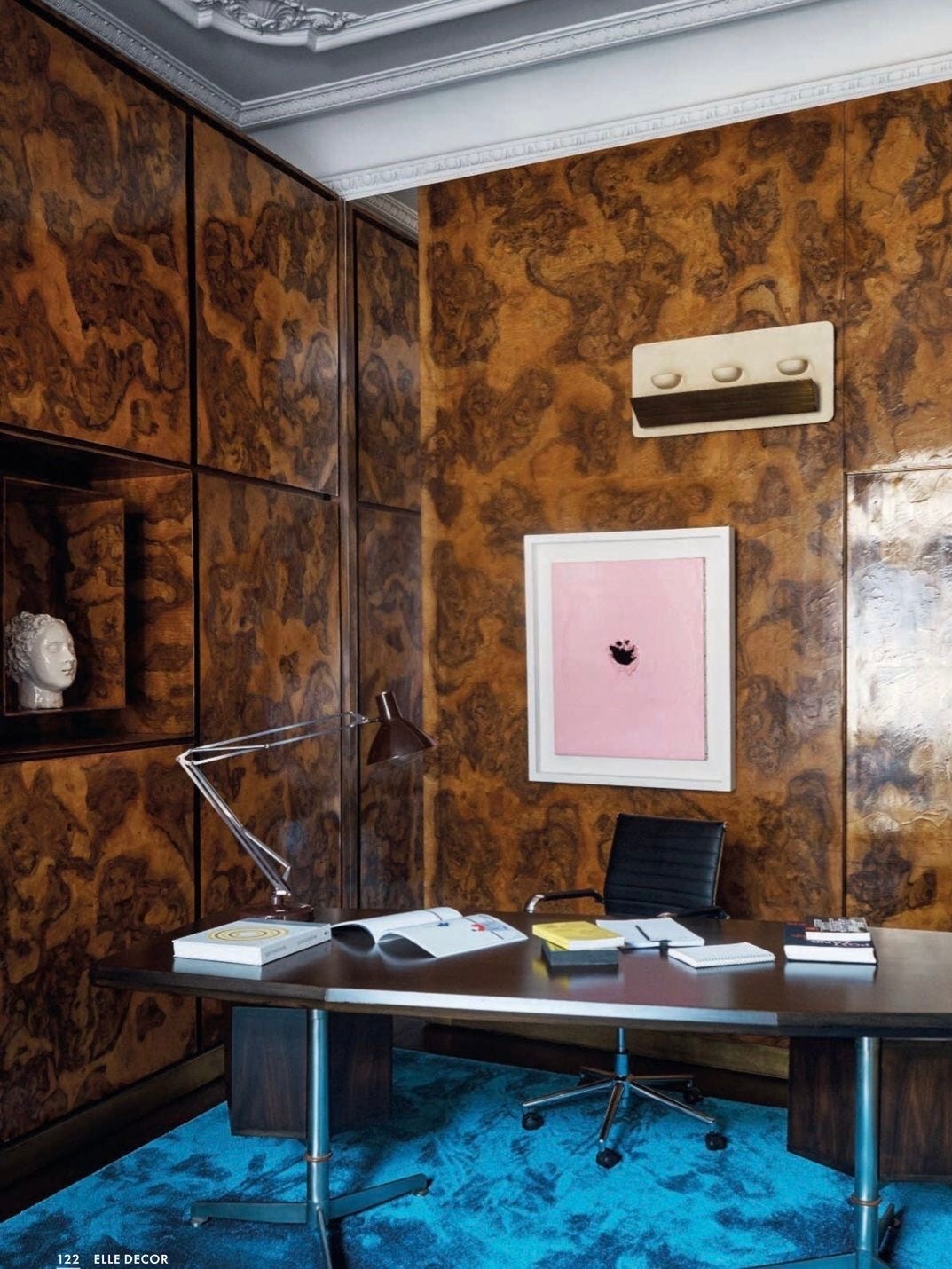
Expensive is not the same as extraordinary
We have become very good at manufacturing the visual language of luxury through neutral colours, beautiful typography and discreet logos.
Yet the most luxurious places I remember are the ones where someone has thought about everything: the lighting, the music, the way the flowers are arranged, the distance between tables, the person who remembers your small habits.
Luxury, at its highest level, becomes almost invisible.
It is not saying: Look how much money was spent here.
It is saying: Someone cared enough to think about this.

The danger of becoming impossible to impress
There is a trap here. Being difficult to impress should never mean becoming impossible to delight.
Some of the most beautiful experiences in life are not rare, expensive or culturally significant.
The real luxury is having your own reaction.
Perhaps this is what I mean when I say I want to become difficult to impress. I don’t want to stop being impressed. I want my reaction to belong to me.
I want to walk into a gallery without already knowing which artwork I am supposed to photograph.
I want to stay in a hotel because I love the feeling of it, rather than because it is on someone’s list.
I want to buy something because I will still love it when nobody else remembers that it was fashionable.
I want to be able to say: Everyone loves this. I don’t.
And also: No one is talking about this. I think it’s extraordinary.
That, to me, is the beginning of personal taste: learning to recognise what is good to you and being able to explain why.
Look a little longer. Question the obvious. Develop standards without losing curiosity. And, perhaps most importantly, remain capable of surprise.
Because the goal isn’t to walk through the world thinking:
I’ve seen better.
It’s to walk through it wondering:
Show me something I haven’t seen before.
Thanks for reading ! Subscribe to my newsletter for more and follow along on Instagram 💋