

Until recently, the art on the walls of a restaurant, hotel lobby, or concept store was treated like decorative furniture acquired once, depreciated slowly, and never really thought about again.
Walk into the right kind of place today a concept store, a restaurant, a wine bar and the art on the walls is rarely permanent.
I have been pleasantly impressed by places like Galerie on Sunset in LA, where artworks on display are curated, changed on a rotating basis, and quietly available for purchase while guests linger over a drink.
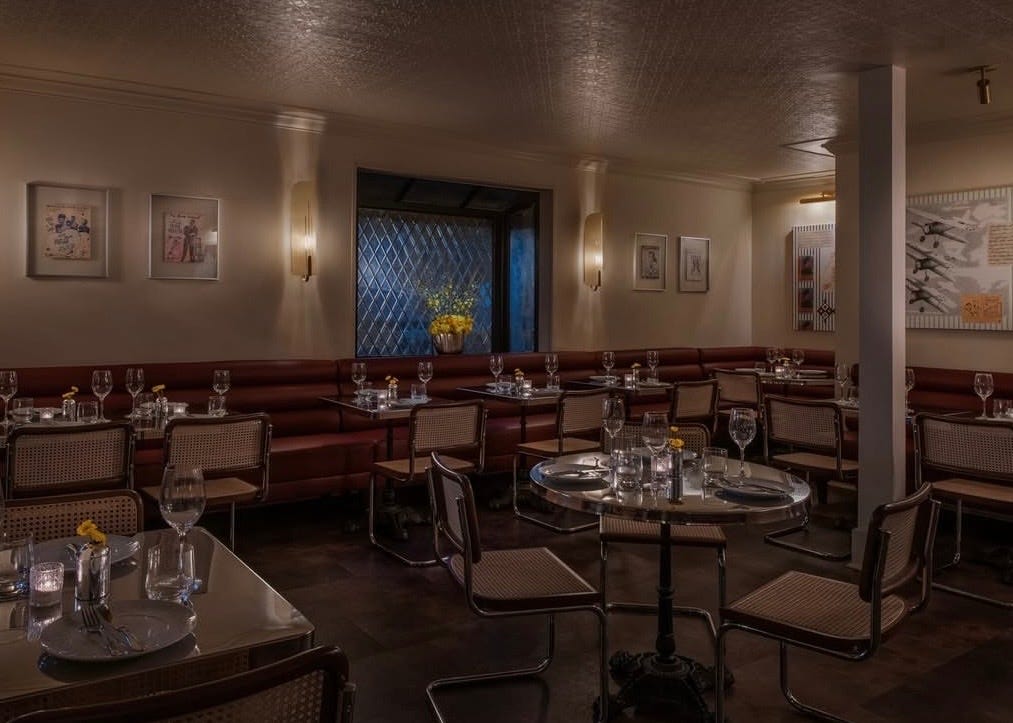
In New York, the Lower East Side space Colbo merges a fashion boutique, bar, vinyl shop, and exhibition space. It hosts rotating artists, DJs, designers, and pop-ups more like a cultural hangout than a store.
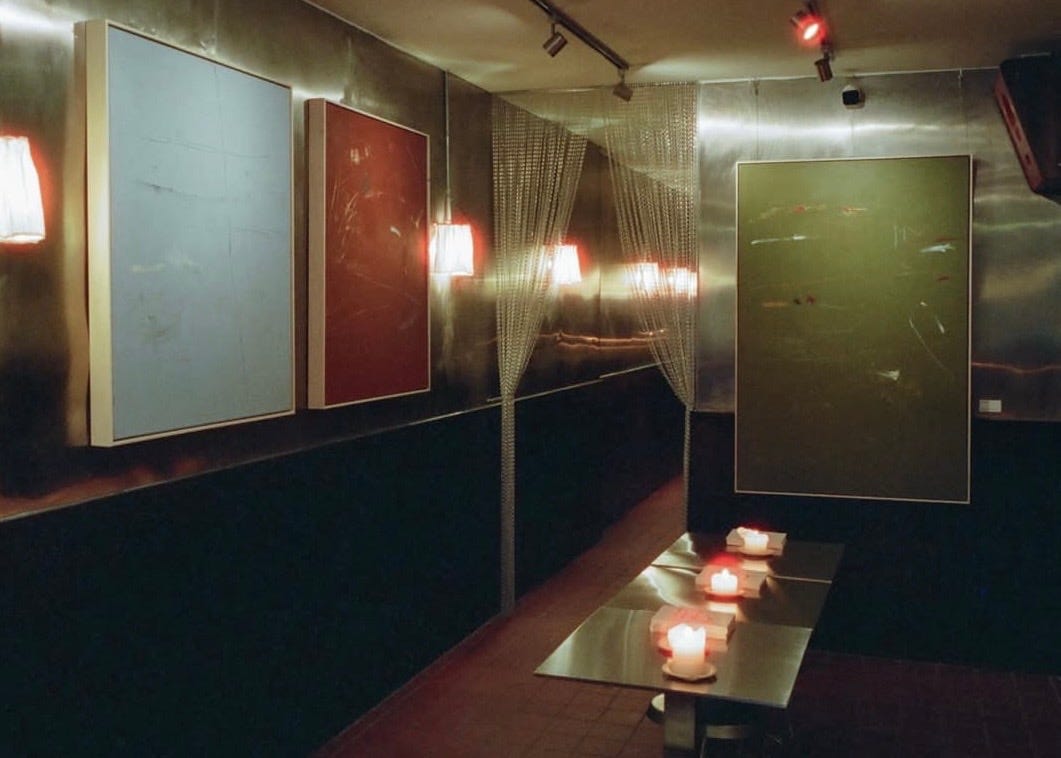
These places aren’t galleries in the traditional sense. But I believe they are quietly becoming the most influential art spaces especially for young emerging artists.
And the logic behind them is surprisingly simple as art consumption is starting to behave like music streaming.
The Spotify model of taste
For most of the 20th century, art functioned like owning vinyl.
Collectors bought artworks permanently. Spaces committed to a stable identity. A restaurant hung paintings once and kept them for years.
Today, taste is fluid. It updates constantly like a playlist.
Art rental programs and rotating exhibitions allow collectors, brands, and spaces to swap works regularly or eventually purchase them after living with them.
This shift reflects a broader cultural change: ownership is being replaced by access.
Spotify replaced CDs.
Airbnb replaced vacation homes.
Art rental may replace static collecting — at least for public spaces.
The new cultural intermediaries: spaces with taste
The emergence of hybrid cultural spaces are an interesting phenomenon. They function simultaneously as:
gallery
café/restaurant/wine bar
concept store
social hub
curatorial platform
These places act as filters of taste. You don’t visit them only to buy something. You go there to understand what feels culturally relevant right now. A role historically monopolized by galleries.
From a business perspective, the model is brilliant as art provides 3 things every hospitality or retail space desperately wants:
1. Atmosphere
Art instantly gives a place cultural depth. A painting changes how people photograph the room, how long they stay, even how expensive the wine feels.
2. Built-in reasons to return
Rotating exhibitions create built-in programming. Every few months there is a reason to return, a new artist, a new opening, a new crowd.
3. Revenue without inventory risk
Through consignment or rental agreements, venues can show art without buying it outright. If it sells, the space receives a commission. If it doesn’t, the walls simply change next month.
For artists, these spaces provide something galleries often struggle with: visibility within real life. A painting above a dinner table may reach founders, collectors, fashion people, architects and people who might never walk into a gallery.
It places art inside the flow of culture rather than isolating it inside the art world.
Taste is becoming ambient
What makes these spaces interesting is that they don’t present art as something to stop and contemplate.
Instead, art becomes ambient culture.
You see it while ordering wine. While trying on a jacket. While waiting for friends. This is how taste actually spreads. Quietly through spaces.
My practice
I’m currently developing a curatorial practice focused on bringing art into commercial and hospitality environments: restaurants, concept stores, hotels, and private social spaces.
What interests me most is the intersection between two logics that are rarely considered together:
the investment logic of art — value, provenance, collecting strategy backed by my background at Bocconi University in Milan and the Art Finance & Investment course at Sotheby’s London.
the experiential logic of spaces — atmosphere, identity, and cultural positioning informed by my work alongside art advisor Truls Blaasmo and projects connected to Milan Design Week, Art Basel Paris, NOMAD St. Moritz, and Heavensake in Tokyo.
In other words: how art can function simultaneously as a cultural asset and as a tool for shaping environments.
If you’re developing a space and would like to explore curating art as part of its atmosphere and identity, feel free to get in touch.
Thanks for reading ! Subscribe to my newsletter for more and follow along on Instagram 💋
Extremely interesting!
I want to add that this can be done at all levels! It's a great way for small businesses to support resident artists anywhere.