

A recent conversation made me reflect on the real grip that art holds when it comes to power dynamics. In the past, families portrayed in films like The Godfather used to counterfeit artworks not only for money, but also to gain legitimacy for their name. These were families with vast wealth that could buy politicians, real estate, and businesses, but they could not easily buy their way into social acceptance. This is where art enters the picture. Not just any art though, but significant pieces, works that came with provenance and cultural weight. They understood that art carried a legitimizing power that money alone never would. No amount of cash could turn raw power into social recognition, but a Caravaggio hanging in their villa might.
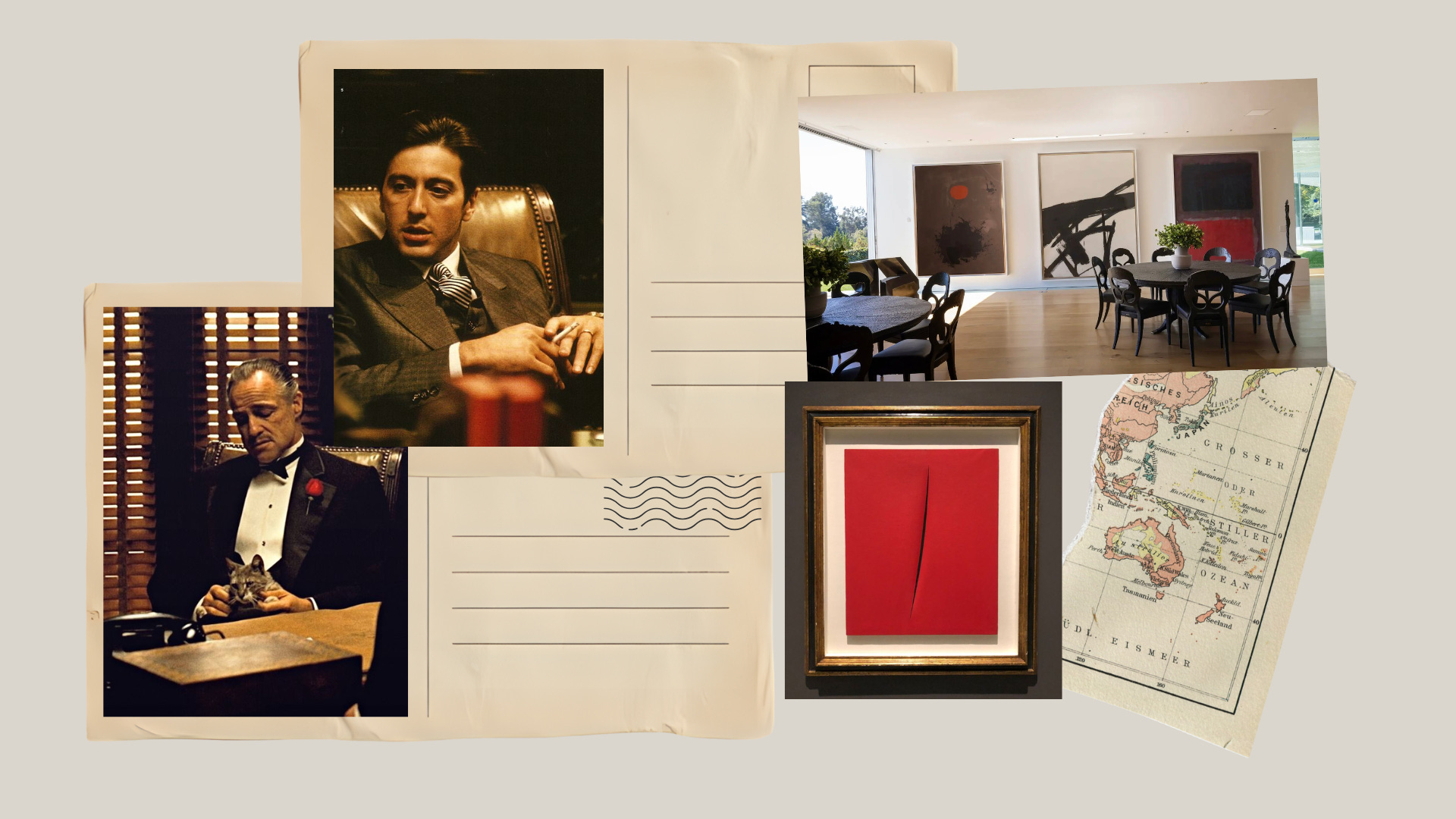
That story reveals another layer of art, showing how it operates not merely as an asset class, but as a powerful social instrument. The tradition stretches back to Ancient Rome and Greece, where wealthy patrons understood that commissioning sculptures, temples, and public monuments was not just about artistic splendor but rather inscribing themselves into the cultural fabric of their time and creating an enduring legacy by belonging to civilization itself. A fortune could be invested, spent, or stolen, but a work commissioned in someone’s name outlived them. The origins of art patronage may be a story for another article, but the mechanism remains relevant, with art functioning as a currency of legitimacy and as the force that turns wealth into lasting status.
Economists would describe artworks as positional goods: objects whose value is inseparable from the position they grant within a social hierarchy. For someone who is already comfortably wealthy, there are very few things that can generate as much symbolic power as a recognizable artwork. Luxury, by contrast, has become increasingly noisy. A fast car? Anyone with a decent year in crypto or a successful exit can write that cheque. A small yacht is attainable for many. Art, however, still creates distinction because it operates through a shared cultural code. A large, recognizable slashed canvas on a living-room wall immediately triggers recognition, signaling taste, education, and cultural sophistication categorizing its owner among rich people who rich right.
What is often misunderstood is that not all art generates status. Most artworks never will. Thompson, in his book The $12 Million Stuffed Shark, uses the example of Jasper Johns’s White Flag (1958), owned by Michael Ovitz.
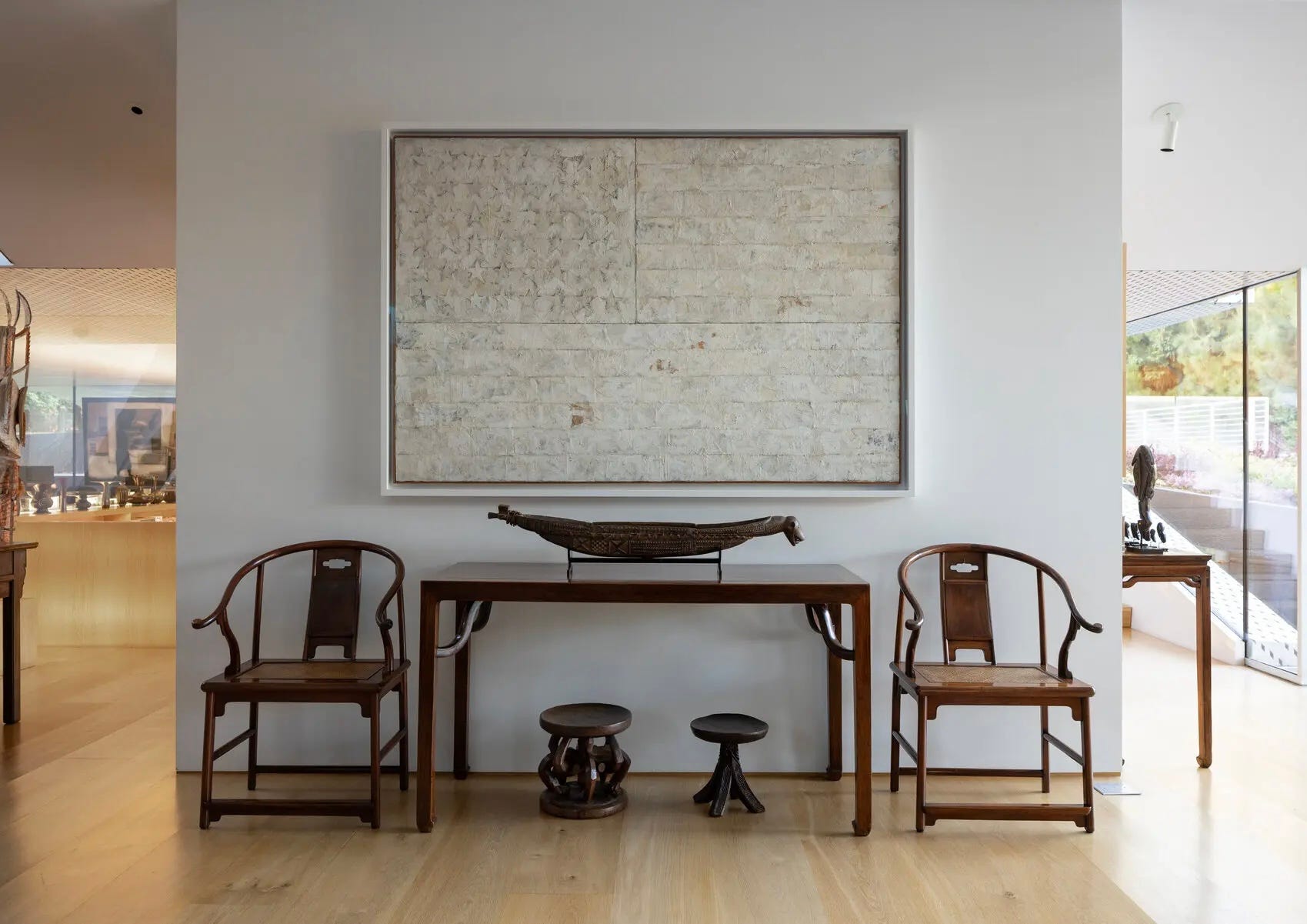
Possessing a work like that, he writes, “elevates you above the crowd of collectors and makes you unreachable.” There is a hierarchy even within the art world. At the highest ranks of collecting, money by itself has very little meaning, simply because everyone already has it. But owning a rare, historically significant piece puts you in an entirely different category. Thompson refers to branded artworks, noting that, just as fashion houses create aspirational status symbols through logos and recognition, certain artists become brands unto themselves. A Hirst, a Koons, a Basquiat are names that carry instant recognition, even among people who know nothing about art. They are the Hermès Birkin bags of the walls, and they perform the same function: immediate, legible status. But truly savvy collectors understand that the brand is not enough. It is about owning the right piece by the right artist. Colour, size, date, and provenance all matter.
Those who counterfeited were trying to do what a high net worth collector does: convert financial capital into cultural capital, to transform money (which is common among their peers) into respectable prestige (which is rare). This is precisely how perceived value is created.
Thanks for reading ! Subscribe to my newsletter for more and follow along on Instagram 💋